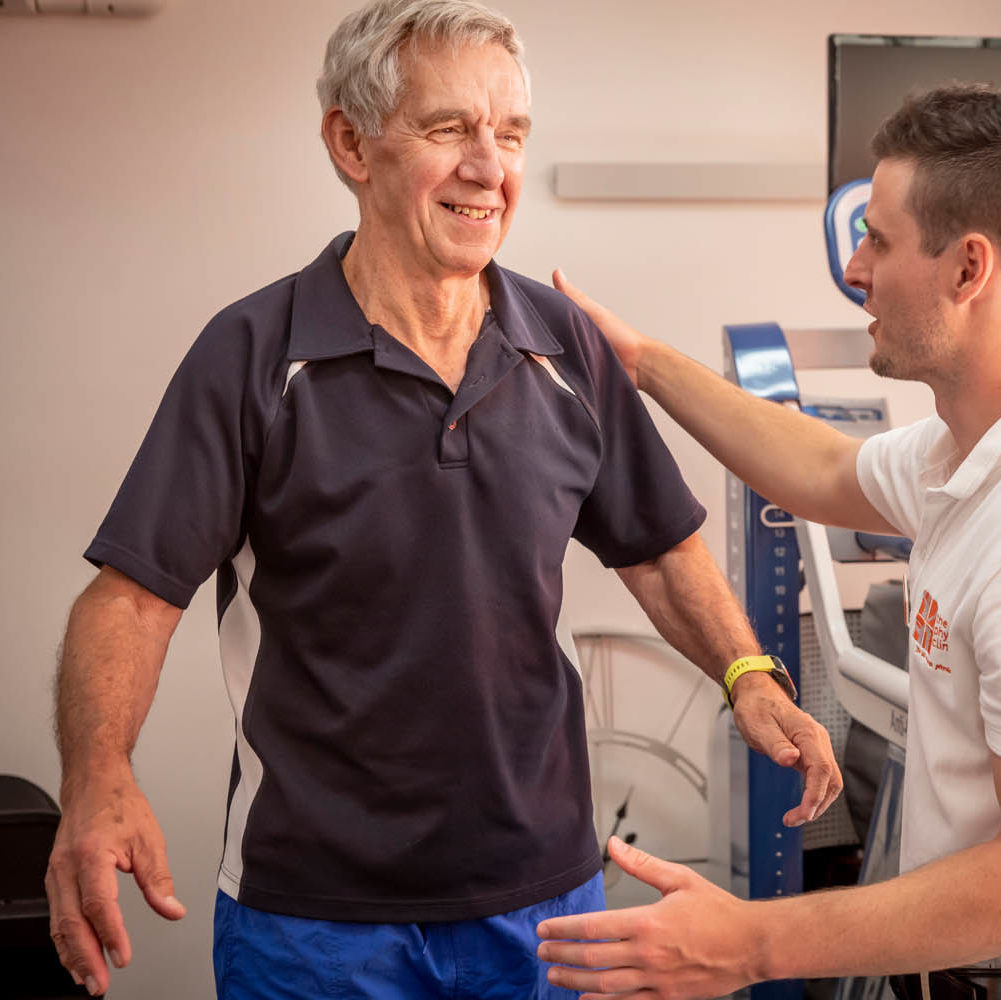

Functional Electrical Stimulation (FES) is a treatment technique that uses electrical currents to activate nerves in a muscle that has become paralysed or weakened due to damage in your brain or spinal cord. Essentially, it’s like giving your muscles a little poke to get them moving again.
How does FES work?
A FES device consists of a control box (about the size of a pack of cards) with a battery and electrodes that attach to the skin. Small electrodes are placed on the skin over the muscles that need stimulation. These electrodes deliver carefully controlled electrical pulses which mimic the signals the brain would normally send to those muscles. This stimulation causes the muscles to contract and if the contraction is strong enough, allows specific movements (like shrugging a shoulder, extending a wrist, or lifting a foot) to occur.
FES is an exciting tool that has the power to unlock potential and transform lives. Whether it is helping someone to take their first steps after a spinal cord injury, or regaining use of their hand after a stroke, FES offers possibilities for rehabilitation that have not always been available.
Who can use FES?
FES is suitable for many people with muscle weakness due to ‘upper motor neuron’ issues. This is when the damage to the nervous system is confined to the brain or spinal cord (eg. stroke or Multiple Sclerosis). As FES stimulates the existing nerves in muscles, it is important that the nerve fibres between the spinal cord and the muscles are not damaged for FES to be effective.
Typically an individual would have an initial assessment (approximately 1 hour in duration) with one of our Rehabilitation Physiotherapists to see if they are suitable for treatment with FES and if so, our clinicians can set up a portable device to use at home. Follow up sessions are necessary to adjust the FES parameters as nerves can get used to the level of stimulation after time, and the associated muscles can strengthen.
It is important to note that FES is usually suggested only as one part of an individual’s wider rehabilitation treatment plan, as a way of enhancing their overall outcomes.
What are the benefits of FES?
There are many possible benefits to be gained from using FES. These may include:
- Reduced muscle spasm, tightness or spasticity
- Reduced swelling or oedema
- Increased local blood circulation
- Reduced pain
- Maintenance or increase in joint movement
- Improved limb posturing
- Muscle strengthening
- Preventing disuse atrophy (wasting) in muscles, and
- Improved muscle coordination and function.
As technology continues to advance, so too does the potential of FES. Researchers are constantly testing new applications and refining existing techniques to improve outcomes for people living with neurological conditions.
At The Physio Clinic, our rehabilitation team is dedicated to remaining at the forefront of technological developments and best clinical practice to ensure that our clients have access to effective and innovative treatment options.
By Kate Seeliger (Neurological and Accredited Vestibular Physiotherapist / Rehabilitation Team Leader) & Bella Moon (Rehabilitation Physiotherapist)
For more information or to book an initial appointment, please call The Physio Clinic on 8342 1233