Vision significantly influences how we move our bodies and explore our surroundings. Think about the vast information we take in everyday just from seeing – noticing other people’s facial expressions, reading written information displayed on a poster, or noticing an obstacle in the way. Vision helps us establish where our body is in space, how our body is positioned, and where other objects are in space. Vision also plays a crucial role in how we maintain our balance.

Children with vision impairments often require additional support and time to develop their gross motor skills such as independent walking, navigating stairs, balancing on uneven surfaces, and learning object control skills (eg. ball skills).

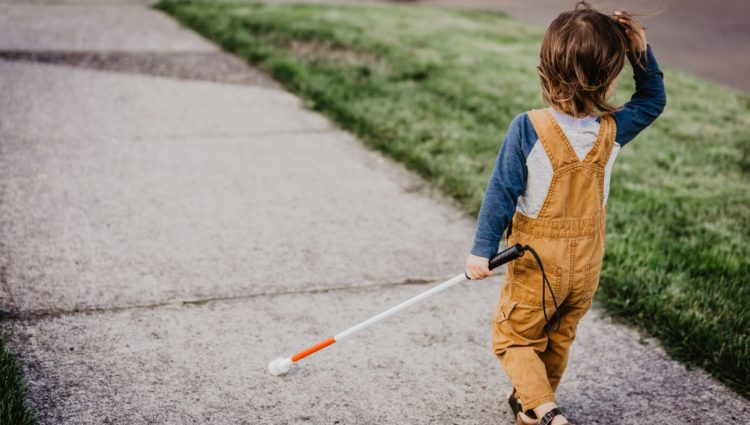
A child using a cane for support.
Read more

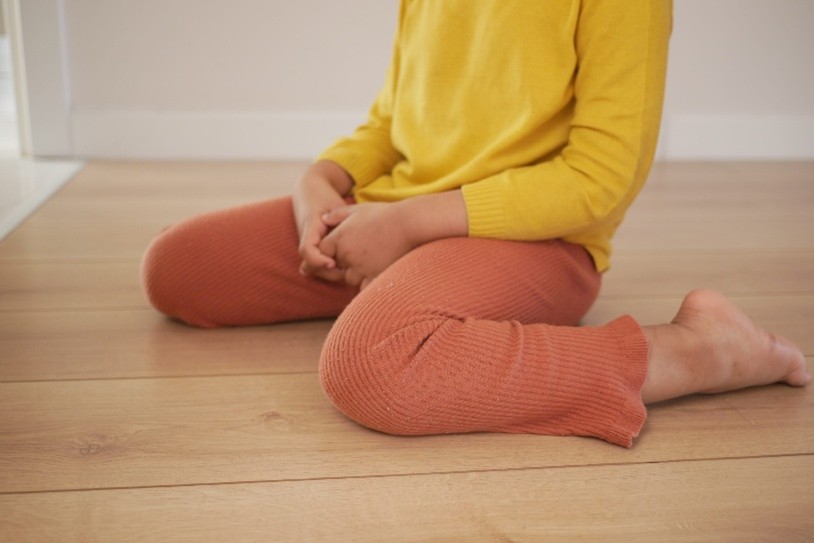
A child walking on their toes.

In typical gait (walking), the heel of the foot is what makes contact with the ground first when taking a step. Toe walking refers to when the ball of the foot makes contact with the floor first, not the heel.

Toe walking can look different for each child; some may walk as high as they can on their tippy toes, while some may walk with their heel hovering just a few centimetres off the ground.

In the very early stages of first learning to walk, a typically-developing young toddler may walk intermittently on their toes. However, toe walking beyond this age is not considered typical development and deserves to be explored further.

Read more