
World Cerebral Palsy Day is celebrated every year on October 6th with the aim of raising awareness for a society where people with Cerebral Palsy have the same rights, access and opportunities as everyone else.
What is Cerebral Palsy?
Cerebral Palsy is a neurological disorder that affects movement and posture and develops as a result of non-progressive brain damage to a developing brain. Cerebral Palsy occurs in 1 in 700 children in Australia and is the most common physical disability in childhood.
Cerebral Palsy can affect different areas of the body and to different degrees of severity; therefore, people with Cerebral Palsy can appear quite different to one-another, depending on their specific presentation.
Paediatric Physiotherapy for Children with Cerebral Palsy
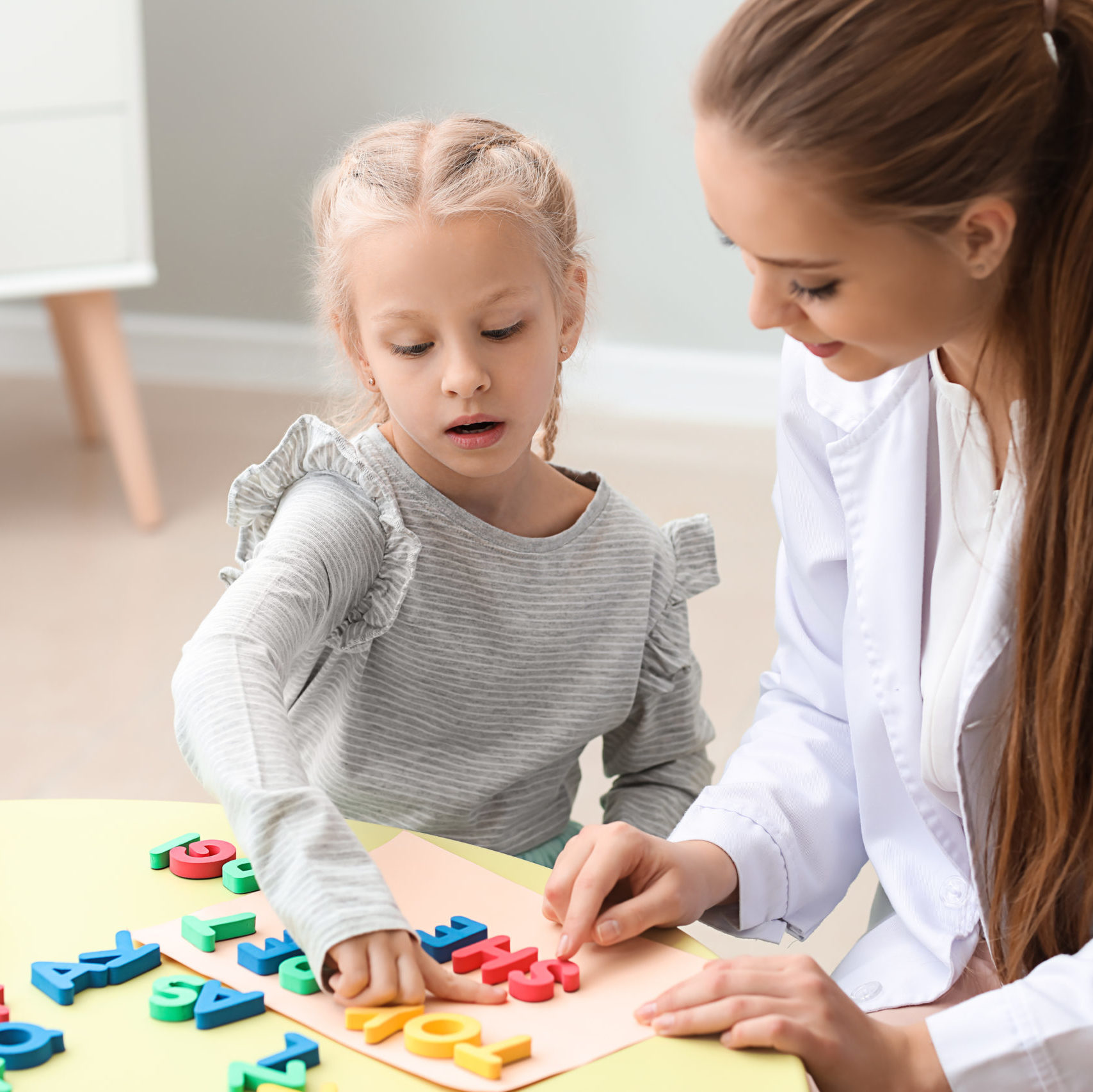
Paediatric Physiotherapists play an important role in supporting children with Cerebral Palsy and their families to achieve goals which are important to them, facilitate independence with activities of daily living, and encourage participation across a variety environments. What Physiotherapy intervention looks like for a child depends on their specific clinical presentation, alongside their individual interests and goals.
Paediatric Physiotherapy support can include:
- Play-based therapeutic activities to support gross motor skill development.
- Exercise intervention to improve strength, balance, coordination, mobility and endurance.
- Task specific practice – such as learning to push their wheelchair independently, or learning to stand up from the ground by themselves… whatever is important to the child and their daily activities.
- The development of stretching and positioning programs to maintain optimal joint range of motion and prevent secondary complications, such as contractures.
- Completing assessments to track the child’s progress and to help develop meaningful therapy goals and recommendations.
- Prescription of Assistive Technology to support the child to be as independent as possible and participate in a variety of activities. This may include equipment such as walkers, standing frames, supportive seating, car seats and wheelchairs.
- Providing support and education to the child’s family, childcare, school and other important
people in their life on how to best support their individual specific needs.
The Physio Clinic’s team of Paediatric Physiotherapists are well-versed in working with infants, children and adolescents with Cerebral Palsy of all levels and types, all ages (ranging from a few months old to 18 years), and in a range of environments (including clinic, home, childcare, school and community).
The team also have extensive experience in working with individuals who are on the National Disability Insurance Scheme (NDIS).
Our Paediatric Physiotherapists are qualified to perform a number of standardised assessments for children with Cerebral Palsy, including, but not limited to:
- Hammersmith Infant Neurological Examination (HINE)
- Alberta Infant Motor Scale (AIMS)
- Gross Motor Function Measure (GMFM)
By Alicia Brown (Physiotherapist – Paediatric Team)
If you would like to find out more information about how our Paediatric Physiotherapists can support your child, and/or you’d like to book an appointment, please call The Physio Clinic on 8342 1233.
References
“About World Cerebral Palsy Day.” World CP Day – October 6th, 2020, worldcpday.org/
Gibson, CS, et al. Cerebral Palsy in South Australia 2023. SA Cerebral Palsy Register, Women’s
and Children’s Health Network, 2024.