What is it?
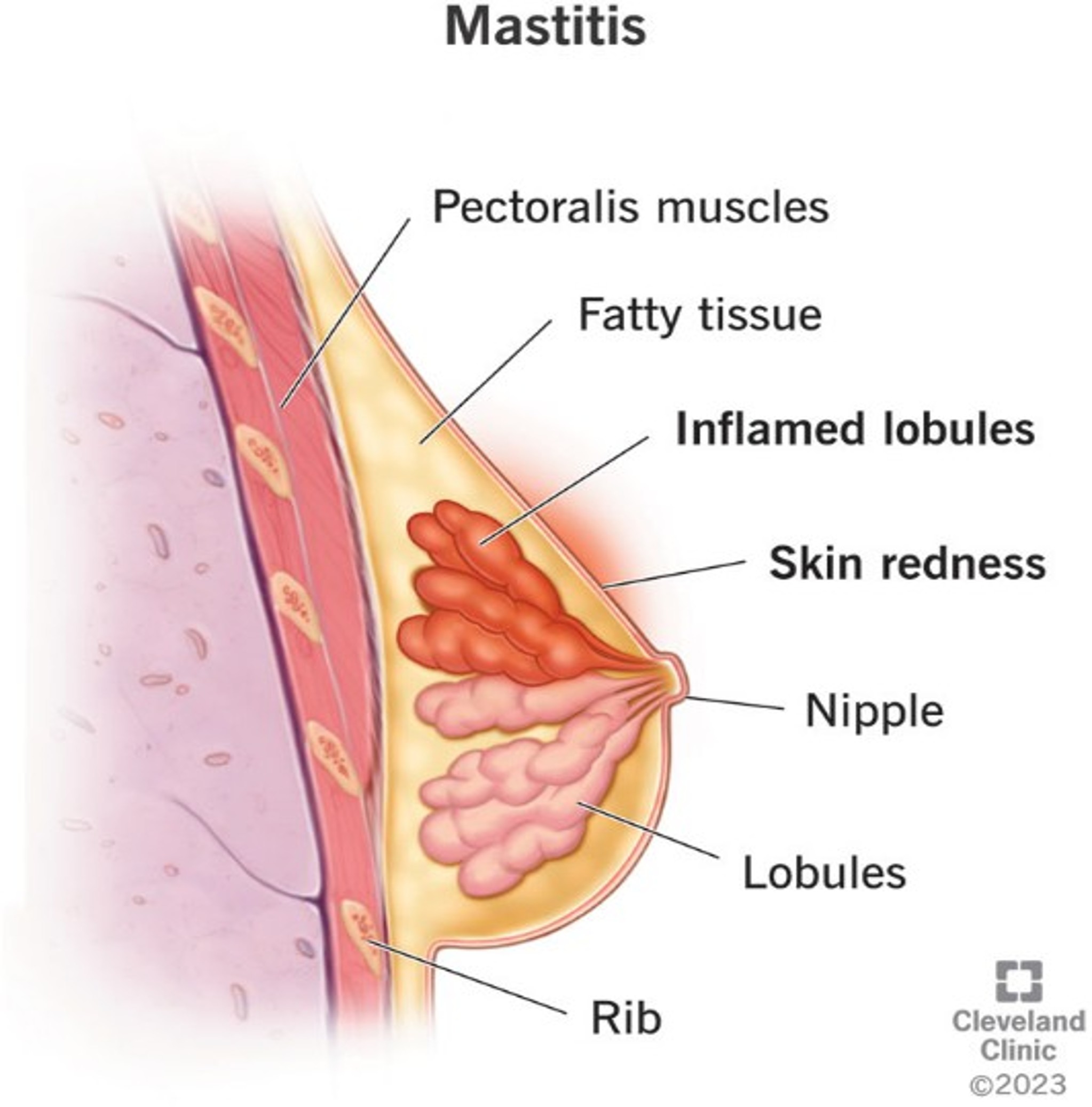
Mastitis is a common issue that can happen to breastfeeding women, especially in the early postpartum phase. It is an infection or inflammation of the breast tissue, which often happens due to nipple damage or changes in milk ducts. Mastitis can be incredibly painful, so it is important to seek help from a GP or Physiotherapists as soon as you notice symptoms, no matter how mild, to quicken recovery and prevent the condition from escalating.
Causes:
- Milk duct changes due to tight clothing, babies latch or changes in feeding patterns.
- Nipple damage
- Long gaps between feeds or full breasts
- Tight, underwire bras that can increase pressures on breasts.
- Stopping feeding suddenly.
Symptoms:
- Tenderness and redness over the breast.
- Painful breast lumps
- Sometimes mastitis can feel like the flu and you may experience symptoms like headaches, body aches, fever and being generally unwell.
- Hot to touch.
What to do if you have mastitis?
Continue to Feed – It is safe to continue breastfeeding. Feed and offer from both breasts.
Help Milk Flow – A warm compress can be used prior to feeding to encourage milk flow. If breasts are still feeling full after a feed, express. Between feeds, VERY GENTLE stroking of the affected area towards the armpit can help prevent fluid build up in the breast.
Help Inflammation – A cold compress/ ice pack after feeding can help with pain and
inflammation. Discuss with your GP/ pharmacist re anti-inflammatory or pain medication.
Seek Medical Help from your GP
If you begin to start feeling unwell, it is important to book a GP appointment as soon as possible. The doctor may prescribe you with antibiotics. It is important to take antibiotics as prescribed by your doctor. If you are still not feeling better after 48 hours, it is best to book in for another GP appointment. Note – It is still safe to feed while on antibiotics, chat with your GP about this.

Visit your Women’s Health Physiotherapist!
Physiotherapists can provide guidance and support for all the above strategies. We can discuss future prevention strategies and provide therapeutic ultrasound treatment.
- Therapeutic ultrasound has shown to be an effective treatment of mastitis by using sound waves to increase circulation and lymphatic drainage in the breast, help milk flow and reduce pain and swelling.
- In most cases, the ultrasound is effective in improvement in pain and lump size in 1-3 sessions.
- It is a quick, effective and non-invasive treatment in which an ultrasound probe is moved around the breast tissue for 5-10 minutes depending on size of the affected area.
- You should feel a gentle compression and warming of the tissue under the probe. It should not be painful.
Please get in touch with us if you need to book an appointment or have any questions!
References:
Australian Breastfeeding Association – https://www.breastfeeding.asn.au/resources/mastitis
The Royal Women’s Hospital –
https://www.thewomens.org.au/health-information/breastfeeding/breastfeeding-problems/mastitis
The Sydney Children’s Hospital Network –
https://www.schn.health.nsw.gov.au/mastitis-and-breastfeeding-factsheet